


Table of Contents
Self-care? If only! Is what some of you may be thinking. It’s a term we’ve been widely exposed to, accompanied by images of people meditating on a sunny day on a sandy beach.
You know what it all means, but what if you genuinely feel that self-care is a bit of a luxury for you right now?
You put everyone else first, because you believe you ought to of course and if you don’t, who will?
Your form of self-care may be ten seconds on the loo as your kids are gnawing at the door. Or at long last wolfing down some grub, just enough to satiate half your stomach, before your next meeting demands your attention. Or finally crawling into a horizontal position at a vague time in the night, but still one ear at the ready, in case someone calls.
You see others enjoy a rush of endorphins as they jog around the block, filled with a renewed energy. You don’t seem to get a look in.
You know enjoying regular hearty laughs with a friend and bouncing off each other’s recent anecdotes make you feel secure and comforted. You don’t seem to get a look in.
You know curling up with a book as the rich undulating story spirits you away to distant lands gives you thrills. You don’t seem to get a look in.
But, like an efficient dishwasher (excuse the crude comparison, but blimey, where would you be without one!) that needs salt, a clean filter, and a regular maintenance cycle to run smoothly, you may also do well, to allocate time for yourself, so you can carry on giving, providing, caring and loving.
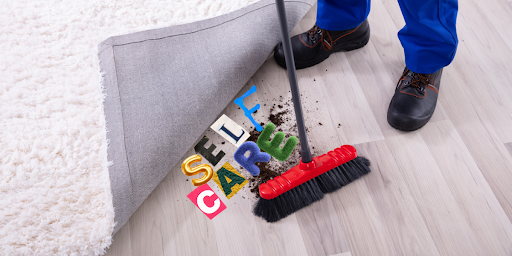
Because what is really at stake if self-care is brushed under the carpet or construed as something unattainable?
Consequences of lack of self-care
According to Psych Central, the consequences of ignoring self-care can be debilitating over time. Prolonged prioritising of everything and everyone else whilst leaving your needs till last can have a negative impact. Lack of self-care have the following consequences to name a few.
- Irritation
- Burn out
- Resentment
- Illness
- Anxiety and insomnia
- Decreased motivation
- Difficulty concentrating or remembering
- Isolation and loss of identity.
Many years ago, when I worked long hours in healthcare, I’d hurry home to see my kids and felt I had to spend every minute of the weekend at their beck and call. I had convinced myself that this was what was expected of me and this precious time couldn’t be ‘wasted’ on anyone or anything else.
After a while, I realised whilst my partner still seemed to allocate time for his own passions and mental health, I didn’t. As joyous as it was to be there for my loved ones, at times I felt isolated. And this perhaps was the ‘loss of identity’ I may have been feeling.
Just as a little resentment started to creep in, it dawned on me this was my choice. And I was lucky to have a choice. This was a pivotal moment in helping me understand my needs also had to be met in order to stay happy and connected.
Simple, effective, random, self-care
Just as complex and unique as the human condition is on this planet, so is the interpretation of self-care. It can mean something different for everyone.
So, even if your yoga mat is buried under a layer of dust, or you’ve forgotten the way to the gym, or your besties are also knee deep in life with little time to connect, self-care can also be something simple, that you enjoy, no matter how unique, or seemingly trivial. For example:
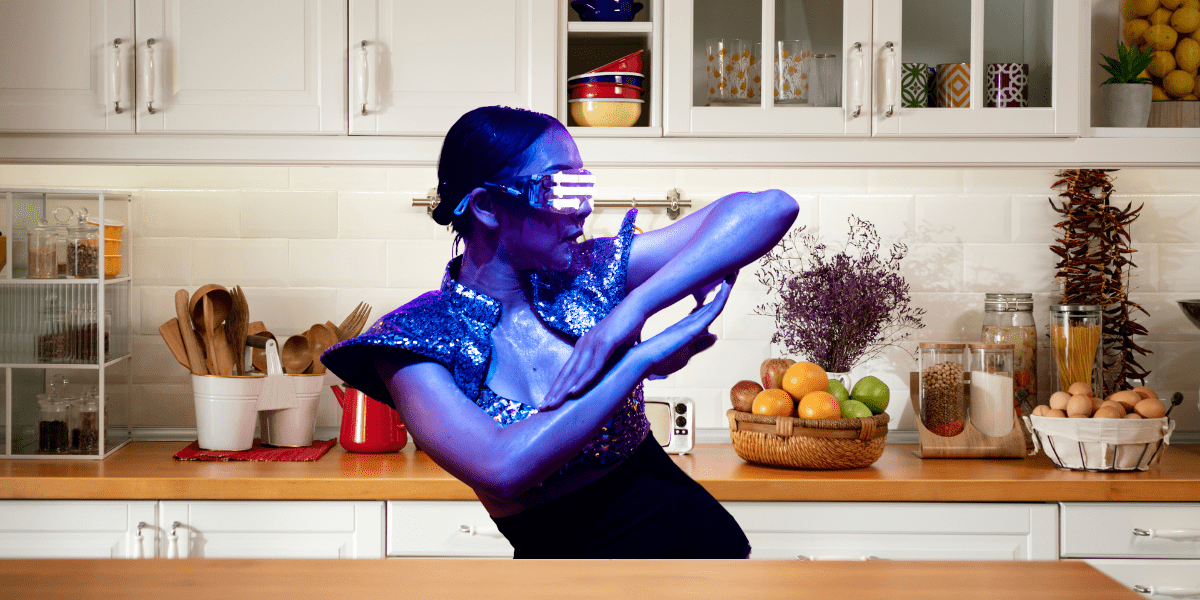
1. Immerse yourself in that song you can’t help busting out some serious moves to, like you’re on an Ibiza club podium!
2. Re-watch that absurd video that makes only you, howl with laughter!
3. Build yourself that ridiculous sandwich no matter how many fillings it overflows with!
4. Light that damn scented candle that makes you feel at peace, like you’re covered in roses, floating down a Kasbah in Morocco!
5. Raise one eyebrow in suspicion whilst gripped in a whodunnit podcast, as you’re toiling away, doing what you do.
6. Or simply sink into a chair and do absolutely nothing.

Self-care vs self-caring
While self-care might feel like a treat or a way to enjoy some “you” time, self-caring is a more consistent, sustained approach to how you treat yourself, helping your mental health. It’s being more compassionate and accepting of who you are, which allows you to better understand your reactions, and take things less personally and become more secure.
When practising self-caring, it gives you the chance to believe that you are lovable. You’re less likely to assume the worst, and you develop a greater sense of trust in your circumstances. As a result, the love and kindness within you naturally begin to radiate outward.
So, stop.
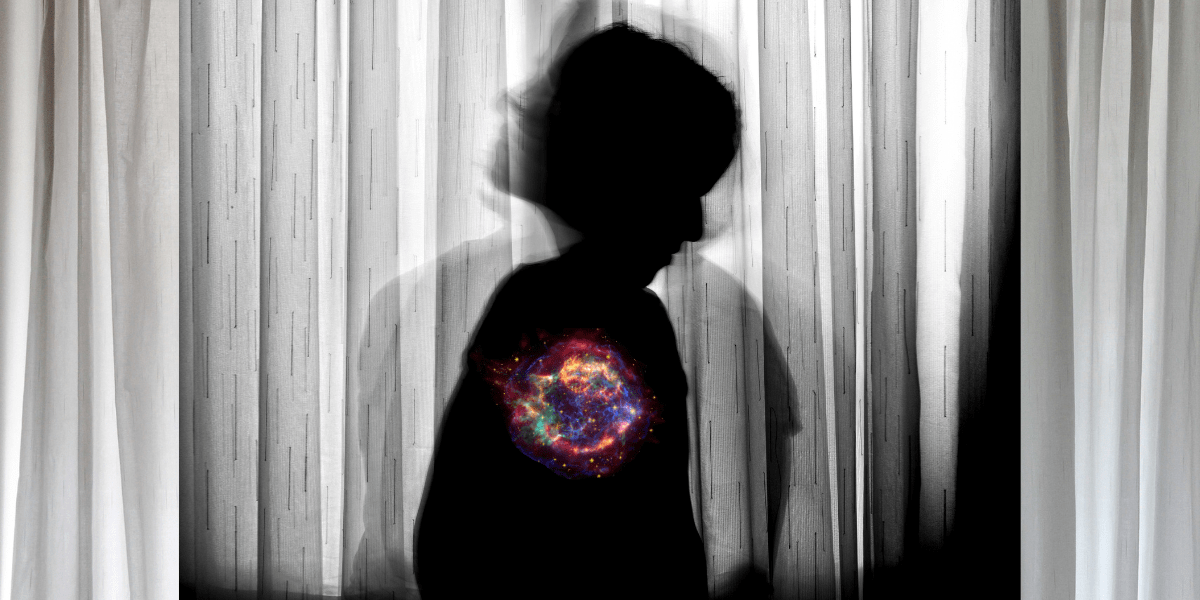
Put your hand on your heart and be still.
Give the present moment the attention it deserves, take a deep breath and give yourself permission to acknowledge thy self with respect and kindness. Not just as a treat. But always.
Easier said than done!
According to ‘Better help’ the largest online therapy service, self-care should be done responsibly. It is not necessarily self-indulgence but rather self-preservation, taking time out to re-charge and recover from the demands of daily life.
And you will find your own self-care techniques or rituals that are convenient and effective for your own unique needs.
Through my own trial and error, extensive reading, research and some counselling, the following everyday things work for me, which I’d like to share with you.
1. Be open to help. If you do everything, all the time, others will not know any different. They will assume this is the way of the world. Your vulnerabilities are others’ vulnerabilities and chances are they relate to your needs far more than you think. Your fellow earthlings are easily capable of conjuring up the kindness of the human spirit if you allow them.

2. In preparation for times of insecurity (we are all a little insecure sometimes) type into your phone four things you quite like about yourself, or compliments others may have given. And if you feel down, refer to them with conviction. You’ll be surprised how this instantly makes you remember you’re better than what your sometimes anxious mind may have you believe.
3. To guard against unexpected negativity (since our subconscious can slip back into harmful thought patterns at the drop of a hat), type into your phone four aspects of your life that you truly appreciate. These could be your current circumstances, the people in your life, what you possess, or even your environment. When you’re facing tough moments, revisit this list with genuine gratitude. You’ll be surprised at how quickly you’ll remember all the good stuff, shifting your mindset toward positivity.

4. And finally, a little new-age tip that may sound like hocus pocus, but worth trying. When you wake up, place your feet firmly on the floor, keep your back straight, and say to yourself as clearly as you can: “I harness the strength of the universe.” I believe we are all made of the universe, and its power resides within each of us. By repeating this affirmation throughout the day, you may find yourself feeling more loving, kinder, and stronger than your tired body might have led you to believe.
Say to yourself what you’d say to a friend
When a friend of yours confides in you of their burn out, you don’t advise them to ignore the signs and carry on doing what they’re doing. You’d probably say, mate….look after yourself, slow down, do something for yourself.

In that case, treat yourself like you’d treat your friend, because you are your own best friend.
And this is why caring for yourself is paramount through self-care AND self-caring. You owe it to those who need you. And you owe it to yourself, so you can carry on shining that inexplicable light of yours.